Author: Madison Lukowski

Submit an Abstract for ASPO’s 51st Annual Meeting

If you’ve been on the fence about submitting an abstract to this year’s ASPO Annual Meeting, this is your sign to go for it! We’d love to see your work in Atlanta, and we think you’ll love what we have planned.

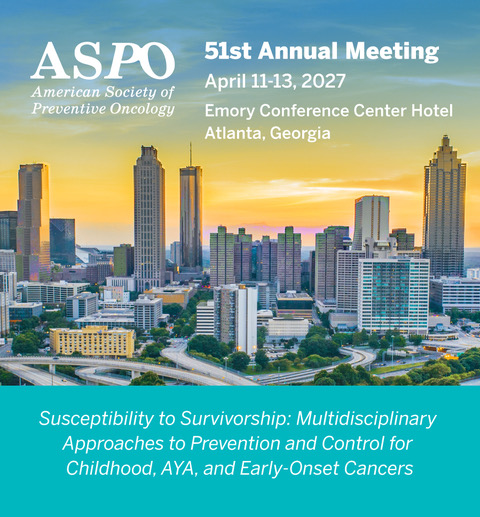
The 51st Annual Meeting takes place April 11-13, 2027, at the Emory Conference Center, and this year’s theme is one we feel passionate about: Susceptibility to Survivorship: Multidisciplinary Approaches to Prevention and Control for Childhood, AYA, and Early-Onset Cancers. The incidence of cancer is rising among children, adolescents, and young adults, which presents an important opportunity for prevention. Additionally, these cancers often have distinct molecular features, and individuals in these communities have unique psychosocial considerations. Because these patients have so much life ahead of them, prevention must be accompanied by a sustained commitment to survivorship. For many, cancer is not a discrete episode but the beginning of an ongoing process of adaptation, one shaped by late effects, changing relationships and identities, educational and employment disruptions, financial pressures, and evolving needs for social connection and support. Yet these populations have historically been understudied. We wanted this meeting to help change that.

That said, the theme is a lens, not a limit! ASPO has always been the home for cancer prevention and control research across the lifespan. If your work focuses on older adults, population-level prevention, or cancer risk across multiple age groups, we want to hear from you. The best science comes from bringing researchers from different populations together.

The program reflects that breadth. Symposia will cover cohort resources for studying cancer across the life course, precision oncology access, caregiver roles in cancer care, and fertility and family planning for survivors. Emerging topic sessions will explore financial toxicity, care transitions, novel prevention strategies, and the molecular underpinnings of cancer risk.

Whatever your discipline or the population you study, your work belongs here. The submission process is quick and straightforward, whether you’re sharing preliminary findings or polished results; now is the time to put your work in front of a community that is eager to support and collaborate.

Abstracts are due October 9, 2026. We hope to see you in Atlanta!

– Philip Lupo, PhD, MPH & Kimberly Miller, PhD, MPH
ASPO 2027 Annual Meeting Co-Chairs
In Memorium – Dr. Gary Morrow

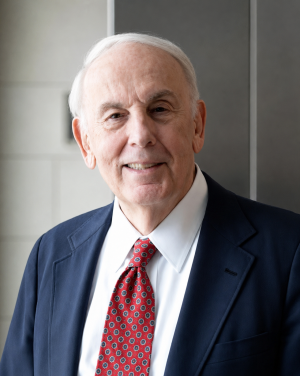
It is with deep sadness that we share the news of the passing of Dr. Gary Morrow, PhD, MS, on July 7, 2026. He was 82 years old.

Gary was a pioneering figure in oncology supportive care who understood that how patients live through cancer treatment matters as much as how long they live. His groundbreaking research on nausea, fatigue, anxiety, and quality of life changed clinical practice worldwide and has been recognized among the top five advances in cancer care over the past 50 years. Gary’s mantra was simple: “Helping good people through lousy times.” And he lived that every day.

Over nearly five decades at the University of Rochester, he built the URCC NCORP Research Base — a nationwide network dedicated to bringing high-quality cancer control and supportive care research directly to patients in their communities. He also established the Cancer Control Research Training Program at the University, which has been continually funded since 2004. This invaluable training program, which has included many ASPO members over the last 21 years, is a lasting legacy of Gary’s commitment to mentoring and cancer prevention and control research. His influence on the field definitely lives on in the careers he shaped, the investigators he trained, and the countless patients whose lives are better because of his work.

For more, please see the University of Rochester’s tribute to Gary.

Our thoughts are with his wife, children, and grandchildren, and everyone who had the privilege of knowing him.

Sincerely,

Michael E. Scheurer, PhD, MPH, FACE
President, American Society of Preventive Oncology

ASPO Remembers Joseph F. Fraumeni, Jr., MD (1933–2026)

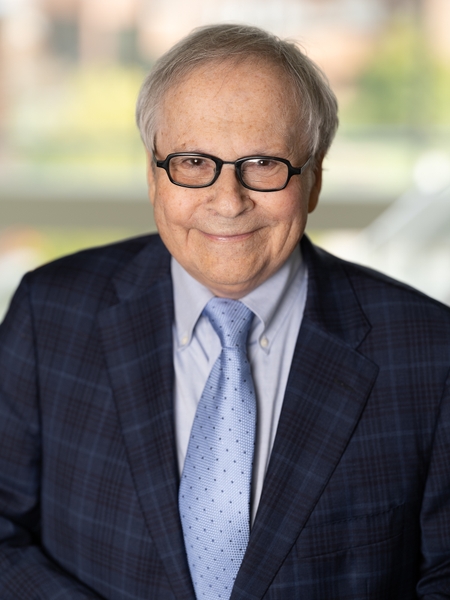
I am sure that many of you have already seen the sad news of Dr. Fraumeni’s passing at the age of 93.

Dr. Fraumeni, simply put, was one of the greatest cancer epidemiologists of our time. He joined the Epidemiology Branch of the National Cancer Institute in 1962, became head of the Ecology Studies Section in 1966, Chief of the Environmental Epidemiology Branch in 1975, Director of the Epidemiology and Biostatistics Program in 1979, and founding Director of the Division of Cancer Epidemiology and Genetics in 1995. His co-discovery of Li-Fraumeni syndrome with Dr. Fred Li, his creation of the national cancer mortality maps, and his pioneering work in molecular epidemiology reshaped how we understand the genetic and environmental origins of cancer. His influence is documented in more than 900 scientific publications and in the careers of the many investigators he trained — many of whom are ASPO members, past and present.

ASPO’s connection to Dr. Fraumeni runs deep. He was one of the early contributors to the formation of ASPO, and he served as President from 1981-1982. One of our highest honors, the Joseph F. Fraumeni, Jr. Distinguished Achievement Award for Outstanding Scientist in Preventive Oncology, bears his name because his contributions to cancer prevention science set the standard to which we all aspire. It is a fitting legacy for a man who dedicated his life to understanding and ultimately preventing cancer.

Beyond his science, those who knew Joe remember his generosity, his extraordinary mentorship, and his remarkable ability to see talent and potential in others. He modeled the kind of rigorous, collaborative, and humane science that ASPO has always stood for.

Please join me in honoring his memory and celebrating an extraordinary life devoted to the prevention of cancer. If you’d like to leave a remembrance of Joe, you can do so on the AACR In Memorium page.

Sincerely,

Michael E. Scheurer, PhD, MPH, FACE
President, American Society of Preventive Oncology