Pay in 4 interest-free payments of $6.49 Learn more
Shipping Estimate
USA
- USA
- CAN
- USA
- CAN
Ships within 48 hours · Estimated delivery Sep 2 - Sep 7

Pay in 4 interest-free payments of $6.49 Learn more
Ships within 48 hours · Estimated delivery Sep 2 - Sep 7
weight loss with glp-1 agonists Glucagon-like peptide-1 receptor: mechanisms and advances in therapy Size:120 Capsules Peptide Synthesis How Employers Can Manage
How Employers Can Manage GLP-1 Costs in Their Health Plans | Sequoia
This guide will mainly focus on the three more-recent long-lasting forms of injectable GLP-1s: Liraglutide (Saxenda) Semaglutide (Ozempic, Wegovy) Tirzepatide (Mounjaro) Should I take GLP-1 drugs
Peptide Synthesis
Size:120 Capsules
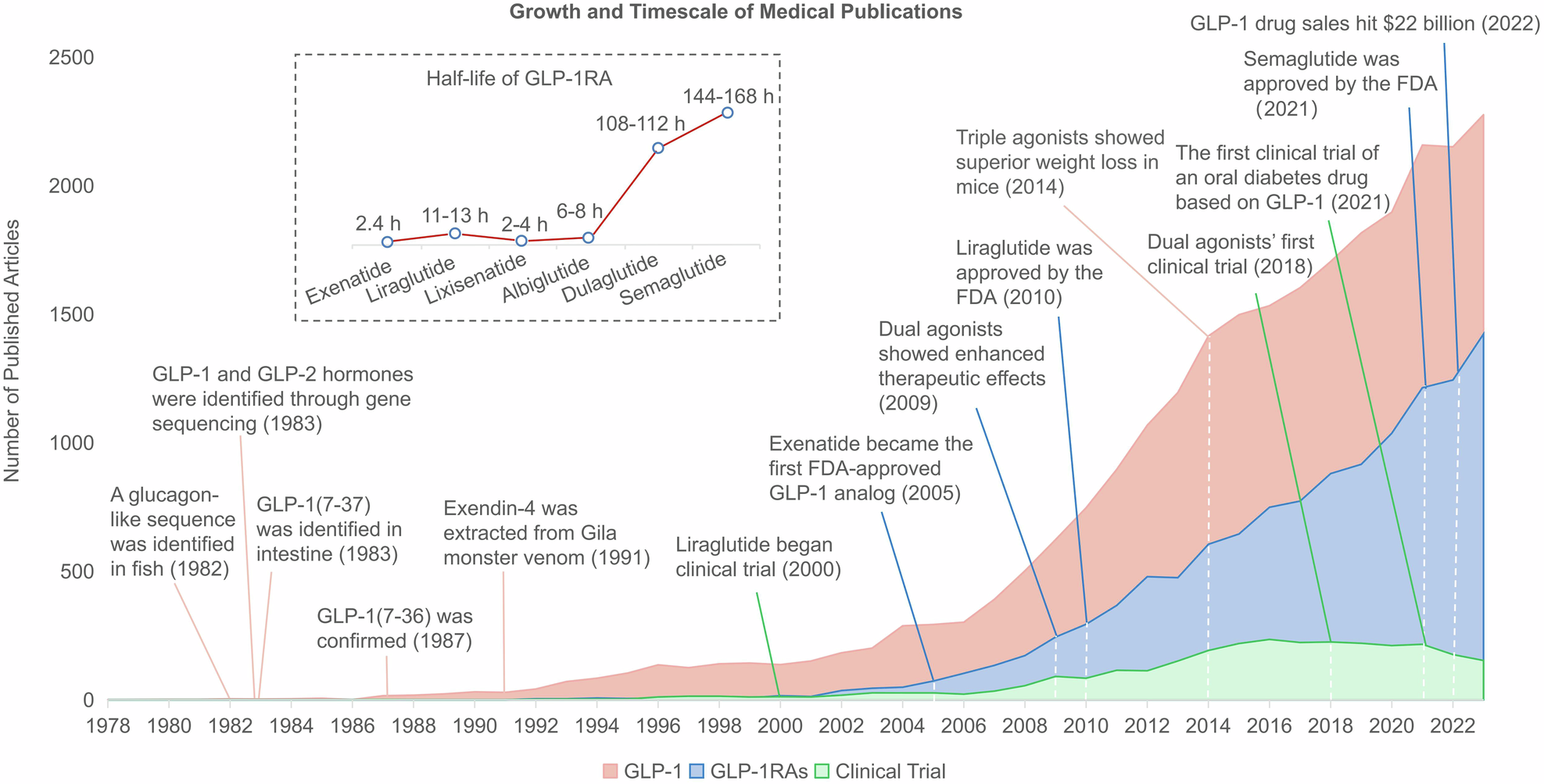
Key Points Native human GLP-1 normalizes hyperglycaemia in patients with type 2 diabetes mellitus, but the short in vivo half-life of this hormone limits its therapeutic application A number of synthetic GLP-1 receptor agonists, with half-lives between 2–3 h and several days, have been developed for the long-term treatment of type 2 diabetes mellitus Short-acting GLP-1 receptor agonists (such as exenatide and lixisenatide) predominantly lower postprandial glucose levels and insulin concentrations via retardation of gastric emptying Long-acting GLP-1 receptor agonists (such as albiglutide, dulaglutide, exenatide long-acting release and liraglutide) predominantly lower blood glucose levels through stimulation of insulin secretion and reduction of glucagon levels Adverse effects of GLP-1 receptor agonists include nausea, vomiting and diarrhoea, injection-site reactions, antibody formation and increased heart rate This is a preview of subscription content, access via your institution Access options Subscribe to this journal Receive 12 print issues and online access $189.00 per year only $15.75 per issue Buy this article Purchase on SpringerLink Instant access to the full article PDF
US$ 26.95
US$ 28.22
US$ 29.67
US$ 21.76
US$ 24.55